How the Wharf is transforming and why Group Metropolitan is utilising that shift
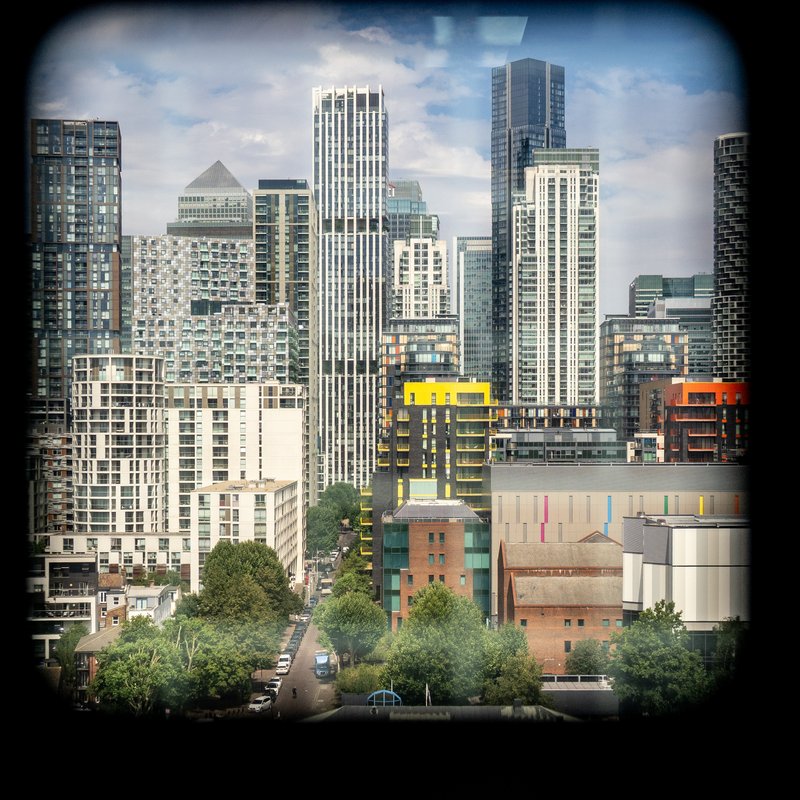
What began as one of the most ambitious urban regeneration projects has evolved into one of the world’s most recognised business districts - a place where global finance, technology and culture meet.
The story of Canary Wharf is closely connected to that of Group Metropolitan. Founded in 1985, at the very moment when the foundations of the London Docklands transformation were being laid, GML has grown alongside the changing face of London’s skyline.
Today, as Canary Wharf enters its next chapter, we see a district that is not moving away from its financial heritage but building upon it. By broadening its purpose and embracing new industries, experiences, and communities, it is creating new opportunities for businesses and people alike.
Where it started.
In the early 1980s, London’s Docklands was defined by industrial land, declining traditional industries and significant economic challenges. The establishment of the London Docklands Development Corporation (LDDC) in 1981 marked a pivotal turning point, initiating a period of investment, regeneration and major infrastructure development.
When plans emerged to transform the former West India Docks into a new business district, many questioned whether companies would ever leave the established financial centre of the City of London. Critics dismissed Canary Wharf as a "contrived" development, arguing it lacked the heritage, character and commercial gravity of the Square Mile. Yet the vision behind Canary Wharf was underpinned by confidence, long-term investment and a belief in London's future. Major financial institutions began making the strategic decision to relocate and invest, validating the ambition behind the project.
The arrival of global organisations demonstrated that Canary Wharf was never intended to replace the City, but to complement it by expanding London's capacity as a world-leading financial centre. Over the following decades, it evolved into one of the world's most recognisable business districts.
Financial sector
The continued long-term commitment of major financial institutions has further emphasised Canary Wharf’s position as one of London’s most important business locations.
JPMorgan has committed to building a new 3 million square foot tower by the Canary Wharf riverside, double the space offered by The Shard in the City. Driven by a return to working in the office, the business has outgrown its current space in Bank Street and demonstrates a positive long-term view of the Wharf.
Barclays has decided to buy the long-term lease on its global headquarters at One Churchill Place, representing a significant endorsement of Canary Wharf’s next chapter. More than a landmark real estate transaction, the £750 million acquisition reflects Barclays’ long-term commitment to London and the UK. It provides certainty for continued investment and strengthens one of the capital’s most established business districts.
Morgan Stanley have also committed to their current space in Bank Street by investing heavily in new infrastructure and fit out of the existing building to meet their ongoing demands.
Group Metropolitan views these commitments as powerful indicators of confidence in London’s economic future, creating momentum that extends beyond individual organisations - supporting wider regeneration, employment, innovation and economic growth.
Why is Group Metropolitan in the wharf?
GML’s own history has developed in parallel with the transformation of Docklands. Founded in 1985, Group Metropolitan has evolved alongside one of London’s greatest urban transformations.
Our early involvement in projects across and around the Docklands area formed part of the foundation for our long-term growth. As Canary Wharf developed from a small vision into a global business destination, GML continued to support the delivery and operation of some of the world’s leading organisations. Over decades, GML has contributed to a portfolio of landmark developments across London, including commercial, mixed-use and specialist environments that support some of the world’s leading businesses.
Our current Canary Wharf office at Cannon Workshops, opened in 2017, reflects our continued commitment to the district and our belief in its ongoing potential.
What’s next?
Canary Wharf is now undergoing another significant transformation, evolving into a mixed-use destination where people live, work, visit and spend time. Investment in residential, retail, hospitality, leisure and public spaces is creating a more balanced and vibrant community.
This shift reflects wider changes in how cities operate. Businesses today are looking for more than a prestigious address, they need environments that support wellbeing and employee experience.
Canary Wharf’s ability to adapt is one of its greatest strengths. The same courage that enabled developers and businesses to move beyond the traditional boundaries of the City of London is now driving its next chapter.